


It has been a good while since my last post on here.
Between sorting out bits on the house, keeping on top of cybersecurity at work, and just general day-to-day life, I have not had the time to sit down and write. Things have calmed down a bit now though. I finally have the headspace to get back to what I enjoy doing: working on projects, testing gear, and sharing my thoughts on where tech is heading.
Here is something that caught my eye today.
The Tamagotchi Throwback: What Is the Meta Muse Charm?
Meta has just shown off a new pocket gadget called the Muse Charm. It is tiny, has a little two-inch screen, comes with built-in 5G, and runs their autonomous assistant, Muse.
The first thing that crossed my mind when looking at it was how much it looks like a modern Tamagotchi.
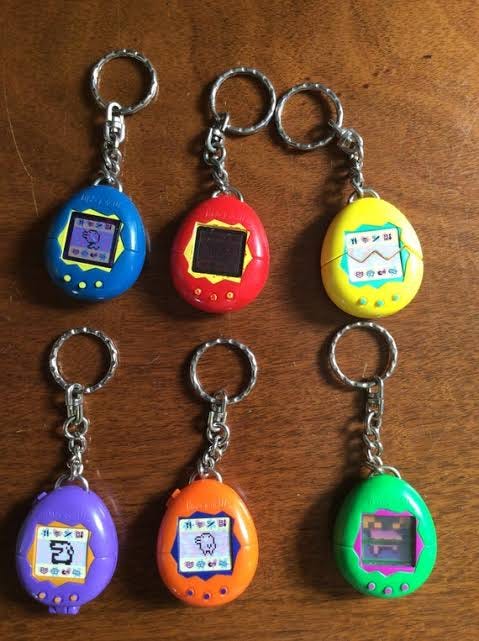
Growing up as a millennial, everyone had one. It was that little plastic egg you clipped to your bag or keys, checked in on, fed, and tried to look after before you forgot about it and it died.
Gen Z never had that firsthand. Yet right now, you see the younger generation leaning hard into late nineties and early noughties culture. Baggy clothing, wired earphones, and older iPods are making a massive comeback. A lot of people are actively trying to cut down their screen time and step back from social media feeds.
From that perspective, packaging an AI assistant into a retro-style physical toy is quite a clever angle from Meta.
The Smartphone Screen Time Trap
Think about what happens whenever you want to check something quickly.
Say you want a quick recipe idea for dinner. You take your phone out, unlock the screen, and before you even open a search tab, you see unread WhatsApp notifications, calendar alerts, and banners popping up.

Next thing you know, you are replying to messages and checking updates. You completely forget what you picked the phone up for in the first place, when all you wanted was a simple answer to what to cook.
The appeal of a single-purpose companion makes sense here. You ask your question, get the answer, and carry on without getting sucked into your phone.
Dedicated AI Hardware: The Practical Hurdles
Making AI feel like an interactive pocket pet is definitely a smart way to appeal to younger users. It also links straight into WhatsApp, which is useful because even if people cut down on Instagram, WhatsApp is still how most of us keep in touch with family and friends.
That said, looking at it practically, there are a few obvious snags.
Another device to carry: It has a little cord, but where do you actually put it? Clipped to a backpack? Hanging off your car keys? It is still another piece of hardware to remember and another battery you have to charge at the end of the day.
The smartwatch issue: If the point is a small, glanceable screen that gives you quick answers without touching your phone, most of us already wear a smartwatch. Is digging a small charm out of your pocket really better than just tapping your wrist?
The Bigger Picture: Agentic AI and E-Commerce
There is a bigger picture here. Meta is not just making a cute novelty device for the sake of it.
Under the surface, Muse is built to take actions for you, like booking things or buying products online. Meta has already linked up with Shopify so the assistant can browse and purchase items on your behalf. Amazon has already moved to block Muse on their site because they know Meta is trying to position itself right in the middle between you and the retailer.
Whether people actually bother carrying a separate keychain gadget remains to be seen. But testing out hardware that gets people talking to AI without looking at a phone screen is an interesting move.
I’m wondering who would carry a dedicated pocket AI device to cut down on screen time, or is your phone and watch setup already doing the job?